Source Bolt On Steel Bumpers for Cars Trucks and Off-Road
Find 30 listings for bolt on steel bumpers designed for cars, trucks, and off-road vehicles. Buyers can compare specifications, customization options, and supplier details for front and rear bumper replacements.
Key considerations
Products List


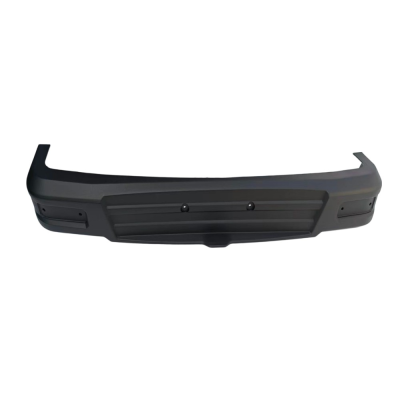
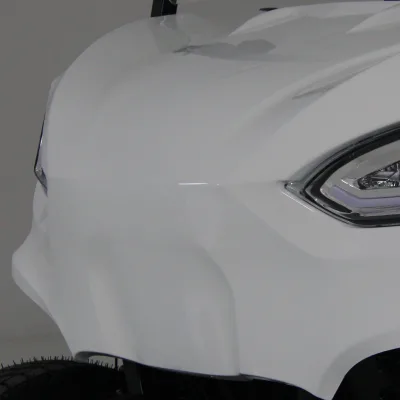


Comprehensive Sourcing Guide
Strategic Sourcing Guide for Bolt-On Steel Bumpers
Understanding Product Attributes and Material Specifications
When sourcing bolt-on steel bumpers, the primary focus must be on the fundamental material composition and structural integrity of the component. Based on available market data, steel remains a dominant material choice for this category, offering a balance of durability and cost-effectiveness that is essential for heavy-duty applications. The product attributes indicate that these components are frequently designed for specific positions, such as the front bumper, though rear applications are also documented in the supply chain. The condition of the product is consistently listed as "New," ensuring that buyers receive factory-fresh inventory rather than refurbished units.
The versatility of these steel bumpers is evident in their application scope. While some listings specify "Car" as the target application, others explicitly mention "Truck," suggesting that the supply base caters to a diverse range of vehicle classes. This distinction is critical for procurement officers, as the engineering requirements for a light-duty passenger vehicle differ significantly from those of a commercial truck. The color options observed in the market include Black, White, and Silver, with some products offering a combination of Black and Silver. For buyers requiring specific aesthetic matches, the availability of customization is a key factor. The market data confirms that customization is available, allowing for tailored finishes or structural modifications to meet unique fleet requirements.
The structural design of these bumpers often includes specific features such as a "Double Cylinder" structure or "Single Effect" damping force direction, particularly when the component serves as a buffer or shock absorber unit. This indicates that the "bolt-on" nature of the product does not preclude complex internal mechanisms. The weight of these units varies significantly depending on the specific model and intended load. Observed weights range from 20kg per set to as high as 300kg per set, highlighting the importance of verifying the exact weight specifications for logistics planning and vehicle load calculations. The packing methods, ranging from "Carton+Pallet" to "Carton and PP Film" or "Woven Bag," must be evaluated to ensure the product arrives without damage during transit.
Compliance, Certification, and Quality Standards
In the B2B procurement of automotive components, verifying compliance with international standards is non-negotiable. The supply data indicates that ISO certification is a common attribute among suppliers, with specific references to ISO9001:2000 standards. While the presence of ISO certification suggests a commitment to quality management systems, buyers must verify the current validity of these certificates, as standards evolve over time. Additionally, some listings mention CE certification, which is a mandatory requirement for products entering the European market. The combination of ISO and CE certifications in the observed data points to a supply chain that is aware of international regulatory frameworks.
However, the market also lists "OEM" as a standard, which implies that many products are manufactured to the original equipment manufacturer's specifications rather than generic industry standards. This distinction is vital for buyers sourcing parts for specific vehicle makes, such as Roewe, where proprietary fitment is required. The "OEM" standard often aligns with "Customizable" standards, suggesting that suppliers can adapt the product to meet specific vehicle requirements. Buyers should request documentation proving that the "OEM" designation is backed by authorized licensing or technical drawings from the original vehicle manufacturer to avoid counterfeit or non-compliant parts.
Quality is frequently cited as "High" in product descriptions, but this is an observation rather than a guaranteed metric for every listed item. To substantiate this claim, procurement teams should demand third-party test results or quality assurance reports. The "Service" attribute is often listed as "OEM," indicating that suppliers may offer original equipment manufacturer-level support, including technical assistance and warranty handling. When evaluating suppliers, the presence of a "High" quality rating should be cross-referenced with their certification status and their ability to provide traceability for the steel used in the bumper.
Cost Drivers and Pricing Dynamics
The pricing landscape for bolt-on steel bumpers is characterized by a wide range, with observed prices spanning from $0.01 to $425 USD. This broad spectrum reflects the diversity in product complexity, size, and material thickness. A bumper priced at the lower end of this range is likely a basic, generic component with minimal customization, while those at the higher end may include complex structural elements, specialized coatings, or heavy-duty specifications. The minimum order quantity (MOQ) is another significant cost driver, with observed ranges from 1 to 1000 units.
For buyers seeking to minimize upfront costs, the availability of single-item selling units allows for small-scale testing or replacement needs. However, the market also shows a high-confidence fact of an MOQ of 300 units for certain product lines, which is typical for bulk manufacturing runs. This discrepancy suggests that buyers must carefully navigate the trade-off between unit price and order volume. Suppliers offering an MOQ of 1 may charge a premium per unit compared to those requiring a 300-unit commitment.
The "Customized" size specification is another factor influencing cost. Products with standard dimensions are generally more affordable due to economies of scale, whereas custom sizes require dedicated tooling and production lines, driving up the price. The weight of the product also plays a role in logistics costs; a 300kg set will incur significantly higher shipping fees than a 20kg set. Buyers should factor in the total landed cost, including freight, insurance, and potential tariffs, rather than focusing solely on the base product price. The "Sample" availability, often requiring direct contact with sales, allows buyers to validate quality before committing to a large order, which can mitigate the risk of costly returns or rejections.
Typical Applications and Vehicle Compatibility
The application of bolt-on steel bumpers extends across various vehicle types, with a clear distinction between passenger cars and commercial trucks. The data indicates that these components are designed for both "Car" and "Truck" applications, making them versatile for fleet managers operating mixed vehicle portfolios. For specific vehicle makes, such as Roewe, the availability of make-specific parts is crucial. The "Part" attribute often lists "Bumper/Buffer," suggesting that these components may serve dual purposes, acting as both a protective barrier and a shock-absorbing element.
The "Purpose" of these bumpers is consistently listed as "for replace/repair," indicating their primary role in the aftermarket sector. This is particularly relevant for commercial fleets where downtime must be minimized, and quick replacement is essential. The "Position" attribute, which includes "Front Bumper" and "Rear," confirms that the supply chain offers solutions for both ends of the vehicle. In some cases, the bumper may be integrated with other systems, such as the "Air Spring" suspension type, requiring precise engineering to ensure compatibility.
The "Size" of the bumper is often "Customized," which allows for adaptation to specific vehicle chassis dimensions. For buyers sourcing parts for older or specialized vehicles, the ability to order custom-sized bumpers is a significant advantage. The "Structure" of the bumper, such as the "Double Cylinder" design, may be tailored to specific damping requirements, ensuring that the bumper performs effectively under the expected load conditions of the vehicle. Understanding the specific application requirements is essential for selecting the right product from the diverse range of options available in the market.
Supplier Evaluation and Verification Protocols
Evaluating suppliers for bolt-on steel bumpers requires a rigorous approach to ensure reliability and product consistency. The geographic origin of the products is a key factor, with "China" and specific provinces like "Shandong" and "Zhejiang" identified as major production hubs. While these regions are known for manufacturing capabilities, buyers must verify the specific factory location to assess logistics efficiency and potential supply chain risks. The "Delivery Time" is often cited as "10-15 days after deposit," which is a standard lead time for many manufacturers, but this can vary based on order volume and customization requirements.
When selecting a supplier, the "Service" attribute, particularly "OEM" support, should be a primary consideration. This indicates the supplier's ability to provide technical support and potentially access to original design specifications. The "Sample" policy is another critical evaluation point; suppliers who accept samples and require direct contact with sales demonstrate a willingness to engage with buyers and validate product quality before large-scale production. The "Selling Units" attribute, which includes "Single item," suggests flexibility in order processing, which is beneficial for buyers testing new suppliers.
Buyers should also verify the "Certification" status of the supplier, looking for valid ISO and CE certificates. The presence of these certifications should be confirmed through official documentation rather than relying solely on product listings. The "Standard" attribute, which includes "OEM" and "Customizable," should be matched against the buyer's specific requirements to ensure the supplier can meet the necessary technical specifications. Finally, the "Packing" method, whether "Carton+Pallet" or "Woven Bag," should be evaluated to ensure the product is protected during shipping, especially for heavy items like the 300kg sets observed in the market.
Long-Term Procurement and Quality Assurance
Sourcing bolt-on steel bumpers is not merely a transactional activity but a strategic decision that impacts long-term operational efficiency. The "Quality" attribute, often listed as "High," should be backed by a robust quality assurance program. Buyers should establish clear quality control protocols, including pre-shipment inspections and post-delivery testing, to ensure that the received products meet the specified standards. The "Condition" of the product, consistently "New," should be verified upon receipt to prevent the acceptance of damaged or refurbished goods.
The "Customization" capability of suppliers is a long-term asset, allowing buyers to adapt to changing vehicle fleets or regulatory requirements. As vehicle models evolve, the ability to source custom-sized or modified bumpers becomes increasingly valuable. The "OEM" support provided by suppliers can facilitate this adaptability, ensuring that the bumpers remain compatible with the latest vehicle technologies. The "Lead Time" of 10-15 days is a baseline, but buyers should negotiate flexible terms for urgent orders or large-scale replenishment to maintain inventory levels.
Finally, the "Weight" and "Size" specifications must be monitored over time to ensure consistency. Variations in these attributes can indicate changes in manufacturing processes or material quality, which could affect the performance and safety of the bumpers. By maintaining a close relationship with suppliers and regularly reviewing product specifications, buyers can ensure a steady supply of high-quality, compliant, and cost-effective bolt-on steel bumpers for their operations.
FAQs
What materials are used for bolt on steel bumpers?
Bolt on steel bumpers are primarily constructed from steel to ensure durability. Some listings also include rubber components for specific buffer applications. Buyers should verify the exact material composition for their specific vehicle needs.
Can I customize the size of these bumpers?
Yes, customization is available for the size of these bumpers to fit specific vehicle chassis. The market offers customized dimensions, allowing for tailored structural modifications. Buyers must contact sales to confirm specific size requirements.
Which certifications do these bumpers typically hold?
These bumpers often hold ISO certification, with some listings specifying ISO9001:2000 standards. CE certification is also observed for products entering the European market. Buyers should request valid documentation to verify current certificate status.
How long is the delivery time for these parts?
The standard delivery time is typically 10 to 15 days after deposit. This lead time applies to most orders but may vary based on volume. Buyers should confirm exact timelines with the supplier before placing bulk orders.
What is the minimum order quantity for steel bumpers?
Minimum order quantities vary, with some listings requiring 300 units while others accept single items. High-volume buyers may find better pricing with larger commitments. The specific MOQ depends on the supplier and product customization level.
Where are these bumpers manufactured?
These bumpers are manufactured in China, with specific production hubs in Shandong and Zhejiang provinces. Buyers should verify the exact factory location for logistics planning. The origin impacts shipping costs and lead times significantly.